10 Benefits of Organic Farming for Your Health
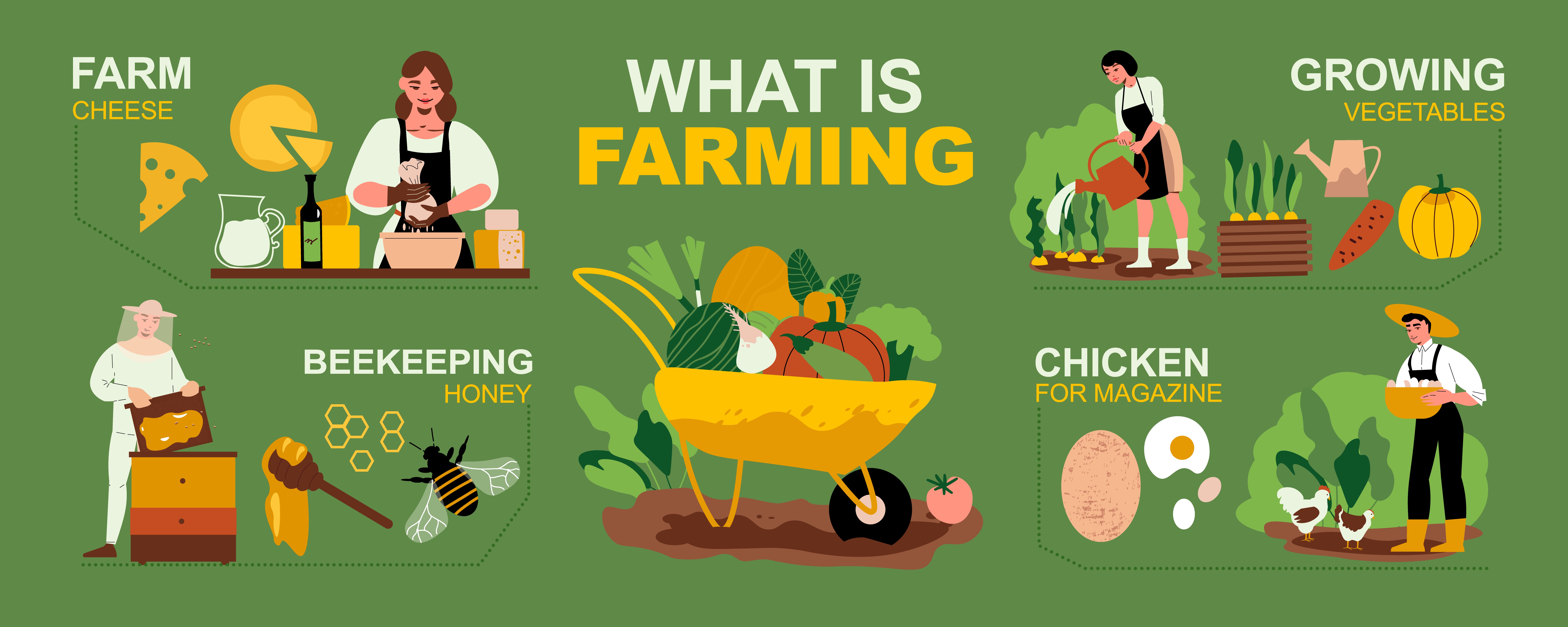
Organic farming has gained significant popularity in recent years as more people become aware of the health and environmental benefits it offers. Unlike conventional farming methods that rely on synthetic pesticides and fertilizers, organic farming focuses on natural processes and materials to grow crops and raise livestock.
In this comprehensive guide, we'll explore the top 10 health benefits of choosing organic produce and how these farming practices contribute to a healthier lifestyle and a more sustainable planet.
1. Higher Nutritional Value
Studies have shown that organically grown fruits and vegetables often contain higher levels of certain nutrients compared to their conventionally grown counterparts. This is because organic farming practices focus on building healthy, nutrient-rich soil through natural methods like composting and crop rotation.
Research published in the British Journal of Nutrition found that organic crops have significantly higher concentrations of antioxidants, which are essential for protecting our bodies against oxidative stress and chronic diseases.
2. Reduced Exposure to Pesticides
One of the most significant benefits of organic farming is the minimal use of synthetic pesticides. Conventional agriculture often relies on chemical pesticides that can leave residues on produce, which may have adverse health effects when consumed over time.
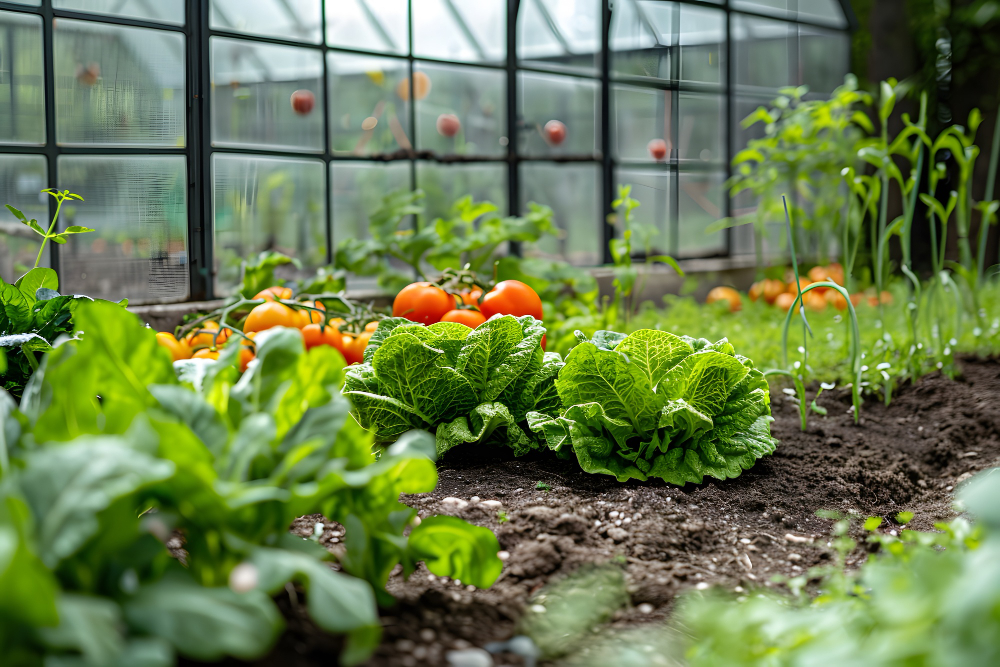
Organic farming uses natural pest control methods, such as beneficial insects, companion planting, and crop rotation, significantly reducing your exposure to potentially harmful chemical residues.
Did You Know? A study by the Environmental Working Group found that people who primarily eat organic have significantly lower levels of pesticide residues in their bodies compared to those who consume conventionally grown food.
3. No Antibiotics or Growth Hormones
In conventional animal farming, antibiotics and growth hormones are commonly used to promote faster growth and prevent disease in crowded conditions. These substances can make their way into the food chain and may contribute to antibiotic resistance in humans.
Organic livestock farming prohibits the use of antibiotics and growth hormones, ensuring that the meat, dairy, and eggs you consume are free from these potentially harmful additives.
4. Better Taste and Flavor
Many people report that organic produce has a more robust and authentic flavor compared to conventionally grown options. This enhanced taste is often attributed to the slower growth rates and healthier soil conditions in organic farming.
When plants are grown in nutrient-rich soil without synthetic fertilizers, they develop more complex flavor profiles, making your meals more enjoyable and satisfying.
5. Supports a Healthy Gut Microbiome
Organic foods may contribute to a healthier gut microbiome—the collection of bacteria and other microorganisms in your digestive system. A diverse and balanced gut microbiome is essential for proper digestion, immune function, and even mental health.
Some research suggests that organic produce contains a wider variety of beneficial microbes compared to conventionally grown food, which could help support a more diverse gut microbiome.
6. Reduced Risk of Foodborne Illness
Organic farming practices often result in produce with lower levels of harmful bacteria like E. coli and Salmonella. This is because organic farms typically have more diverse ecosystems with natural predators that help control pathogen populations.
Additionally, the avoidance of sewage sludge as fertilizer in organic farming further reduces the risk of contamination with harmful pathogens.
7. Higher Omega-3 Fatty Acids in Organic Animal Products
Organic meat, dairy, and eggs have been shown to contain higher levels of omega-3 fatty acids compared to conventionally produced animal products. Omega-3s are essential fats that play crucial roles in brain health, reducing inflammation, and supporting heart health.
This nutritional advantage comes from the organic requirement that animals have access to pasture and are fed a natural diet, rather than the grain-heavy diets common in conventional animal farming.
8. Lower Risk of Heavy Metal Contamination
Conventional farming sometimes uses phosphate fertilizers that can contain cadmium, a toxic heavy metal that accumulates in the body over time. Organic farming prohibits the use of such fertilizers, resulting in produce with lower cadmium levels.
Long-term exposure to cadmium has been linked to kidney damage, bone demineralization, and other health issues, making this an important consideration for your long-term health.
9. Support for Environmental Health
While not a direct health benefit, the environmental advantages of organic farming indirectly contribute to human health. Organic practices promote biodiversity, improve soil quality, and reduce pollution of waterways with synthetic chemicals.
A healthier environment means cleaner air and water, which directly impacts our health and wellbeing. By choosing organic, you're supporting farming methods that protect ecosystems for future generations.
10. Peace of Mind
Knowing that your food was grown without synthetic pesticides, herbicides, or genetically modified organisms (GMOs) can provide significant peace of mind. This psychological benefit shouldn't be underestimated, as reducing stress and anxiety about food choices contributes to overall wellbeing.
When you choose organic, you're making a conscious decision to prioritize both your personal health and the health of the planet.
Tip: If you're new to organic eating, start by prioritizing the "Dirty Dozen"—the fruits and vegetables that typically have the highest pesticide residues when grown conventionally. These include strawberries, spinach, kale, nectarines, apples, and grapes.
Conclusion
Organic farming offers numerous health benefits, from higher nutritional content to reduced exposure to potentially harmful chemicals. While organic produce may sometimes cost more, the investment in your health and the environment is well worth it for many people.
Remember that every organic purchase supports farming practices that are better for the planet and future generations. Whether you're able to go fully organic or just incorporate more organic items into your diet, each choice makes a difference.

Comments (12)
Leave a Comment
Related Posts

Recent Posts
-
10 Benefits of Organic Farming for Your Health
March 15, 2025 -
Fresh Spring Recipes Using Seasonal Produce
March 12, 2025 -
How to Start Your Own Organic Garden at Home
March 8, 2025
Sarah Johnson
This article perfectly summarizes why I switched to organic products three years ago. The difference in taste and how I feel is remarkable. I especially appreciate the point about supporting environmental health - it's something we often overlook when discussing personal health benefits.
Michael Chen
As a restaurant owner, finding reliable sources of organic produce is crucial. This article highlights exactly why we prioritize organic ingredients in our kitchen. The nutritional benefits and superior flavor really do make a difference in our dishes.
Farmology Admin
Thank you for your comment, Michael! We're glad to hear that our organic produce is making a difference in your restaurant. It's wonderful to see food industry professionals prioritizing quality and sustainability.
Emily Rodriguez
I've been considering switching to more organic products but wasn't sure if it was worth the extra cost. This article has convinced me to at least start with the "Dirty Dozen" items. The information about reduced pesticide exposure is particularly compelling for my family.