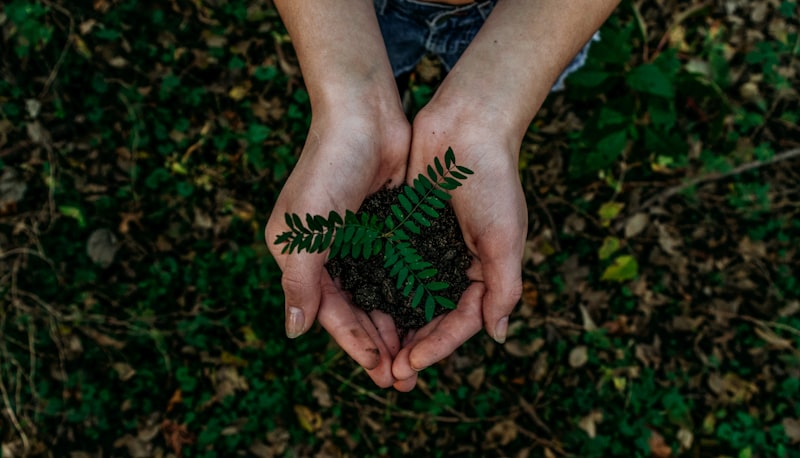
In the heart of our concrete jungles, a quiet revolution is taking root. Cities worldwide are transforming from gray to green, embracing urban reforestation as a solution to climate change, pollution, and social inequality.

The Rise of Urban Forests
Urban forests are no longer just parks and scattered trees. They're becoming integrated ecosystems that provide essential services to city dwellers. From Singapore's "City in a Garden" to Melbourne's urban forest strategy, cities are recognizing that trees are infrastructure just as critical as roads and buildings.
Studies show that a single mature tree can absorb up to 48 pounds of carbon dioxide per year while releasing enough oxygen for two people. In cities like Toronto and New York, urban forests remove thousands of tons of air pollutants annually, directly improving public health outcomes.
"Urban trees are not just decorations; they are vital organs of the city, filtering air, cooling streets, and nurturing community wellbeing." - Dr. Sarah Chen
Community-Led Initiatives
What makes this revolution truly powerful is its grassroots nature. In cities from Portland to Barcelona, community groups are taking the initiative to transform vacant lots, rooftops, and even vertical surfaces into green spaces.

Economic and Social Benefits
The benefits extend beyond environmental impact. Urban reforestation creates jobs in landscaping, maintenance, and environmental education. Property values in well-forested neighborhoods increase by up to 15%, while energy costs decrease due to natural cooling.
Perhaps most importantly, green spaces become social equalizers. Community gardens and parks provide spaces for interaction across social and economic divides, fostering stronger, more resilient communities.
Innovative Approaches
Innovation is driving the urban reforestation movement forward. Some exciting developments include:
- Pocket forests: Miyawaki method forests that grow 10x faster and are 30x denser than conventional plantations
- Green corridors: Connecting fragmented green spaces to create wildlife highways through cities
- Vertical forests: Buildings like Milan's Bosco Verticale that incorporate thousands of trees and plants
- Stormwater parks: Multi-functional spaces that manage water while providing recreational areas

Dr. Sarah Chen
Related Articles